
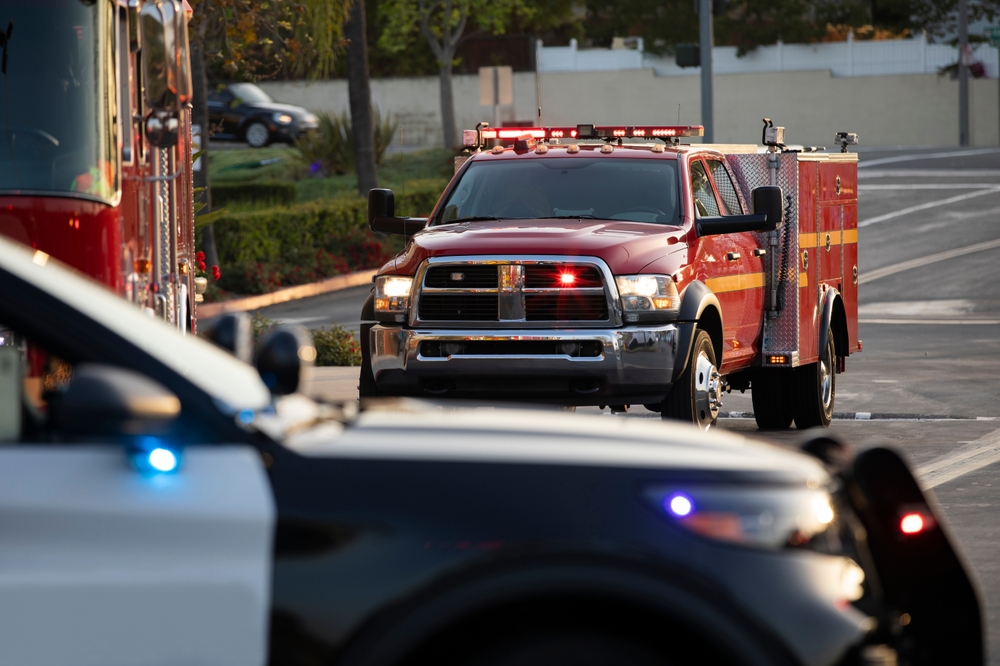
Emergency service vehicles play a critical role in public safety. Fire trucks and ambulances must be ready to respond at a moment’s notice, even after being involved in a collision. Emergency vehicle collision repair is not the same as standard truck repair. These vehicles are complex, highly regulated, and built with specialized equipment that must function flawlessly under pressure. Choosing the right collision center is essential to keeping emergency fleets dependable and compliant.
Why Emergency Vehicle Collision Repair Requires Specialized Expertise
When a fire truck or ambulance is damaged in a collision, the impact goes far beyond cosmetic concerns. Structural integrity, emergency lighting, communication systems, and onboard equipment can all be affected. Even minor collision damage can compromise response performance or crew safety if repairs are not completed correctly. Emergency service vehicle repair requires technicians who understand the design, weight distribution, and operational demands of these vehicles.
Fire trucks are constructed with reinforced frames, custom body panels, pump systems, ladders, and water tanks that must be properly aligned after a collision. Ambulances include patient compartments, medical equipment mounts, electrical systems, and climate controls that must meet strict operational standards. Emergency vehicle collision repair must restore all systems while ensuring the vehicle meets manufacturer specifications and safety requirements.
The Impact of Collision Damage on Emergency Response Readiness
Collision damage can significantly affect how quickly and safely emergency vehicles return to service. Delays in repair can reduce fleet availability and place additional strain on remaining vehicles. A qualified collision center understands the urgency involved and prioritizes accurate diagnostics, repair planning, and quality workmanship to minimize downtime without cutting corners.
Hidden damage is another major concern. Emergency vehicles are frequently exposed to high speed responses, urban traffic, and unpredictable road conditions. Post collision inspections must go beyond surface damage to identify structural or mechanical issues that could impact long term reliability and performance.
Choosing the Right Collision Center for Emergency Service Vehicles
Not all collision centers are equipped to handle emergency vehicle repair. The right shop will have experience with fire apparatus and ambulances, access to specialized tools, and an understanding of compliance requirements. Proper documentation, quality control checks, and system testing are essential before returning a vehicle to service.
At Western Collision & Fleet, emergency vehicle collision repair is handled with precision, accountability, and respect for the responsibility these vehicles carry. Our technicians understand the importance of restoring fire trucks and ambulances to operational readiness while maintaining safety and durability. From structural repairs to body restoration and system verification, every repair is completed with attention to detail.
If your fire department or EMS fleet has experienced collision damage, trust a collision center that understands emergency service vehicles. Contact Western Collision & Fleet today or visit Western Collision & Fleet to schedule an emergency vehicle collision repair consultation and keep your fleet road ready when it matters most.